 The Catalan Table
Ingredients
Servings:
4
Ingredients
- 1 egg
- 130 gall-purpose flour (or pastry flour)
- 63 gbutter at room temperature
- 30 gsugar
- salt
- 13 galmond flour (OPTIONAL)
- Topping ingredients
- 150 gsugar for making caramel
- 150 mlwater for making caramel
- 1 spoonlemon juice
- 5 Fuji apples, Royal Gala, Granny Smith, Golden (Reineta are not good)
- 125 gbutter
- 125 gsugar
- 125 mlwater
- Calvados (optional)
Nutritional Information
Per Serving (Approx.)
Calories
873 kcal
Protein
8 g
Fat
42 g
Carbohydrates
123 g
Disclaimer: These values are estimates based on ingredient types and may not be precise.
Step-by-step Guide
Preparing the Shortcrust Pastry
- Sift the flour into a large bowl to avoid lumps and ensure a uniform texture.
- Mix the sifted flour with a pinch of salt. Add the cold butter cut into small cubes. Using a pastry scraper, crumble the butter integrating it into the flour, without melting or pressing it against the flour, until a sandy texture is achieved.
- Incorporate the sugar and the whole egg, gently pinching the flour with the other ingredients until they are well integrated, maintaining a crumbly dough appearance. Do not overwork the dough to prevent gluten development.
- When the dough is well crumbled, gather it to form a ball. Do not press or compact it too much. If the dough does not come together due to lack of moisture, slightly moisten your fingers and press gently, but DO NOT add water directly.
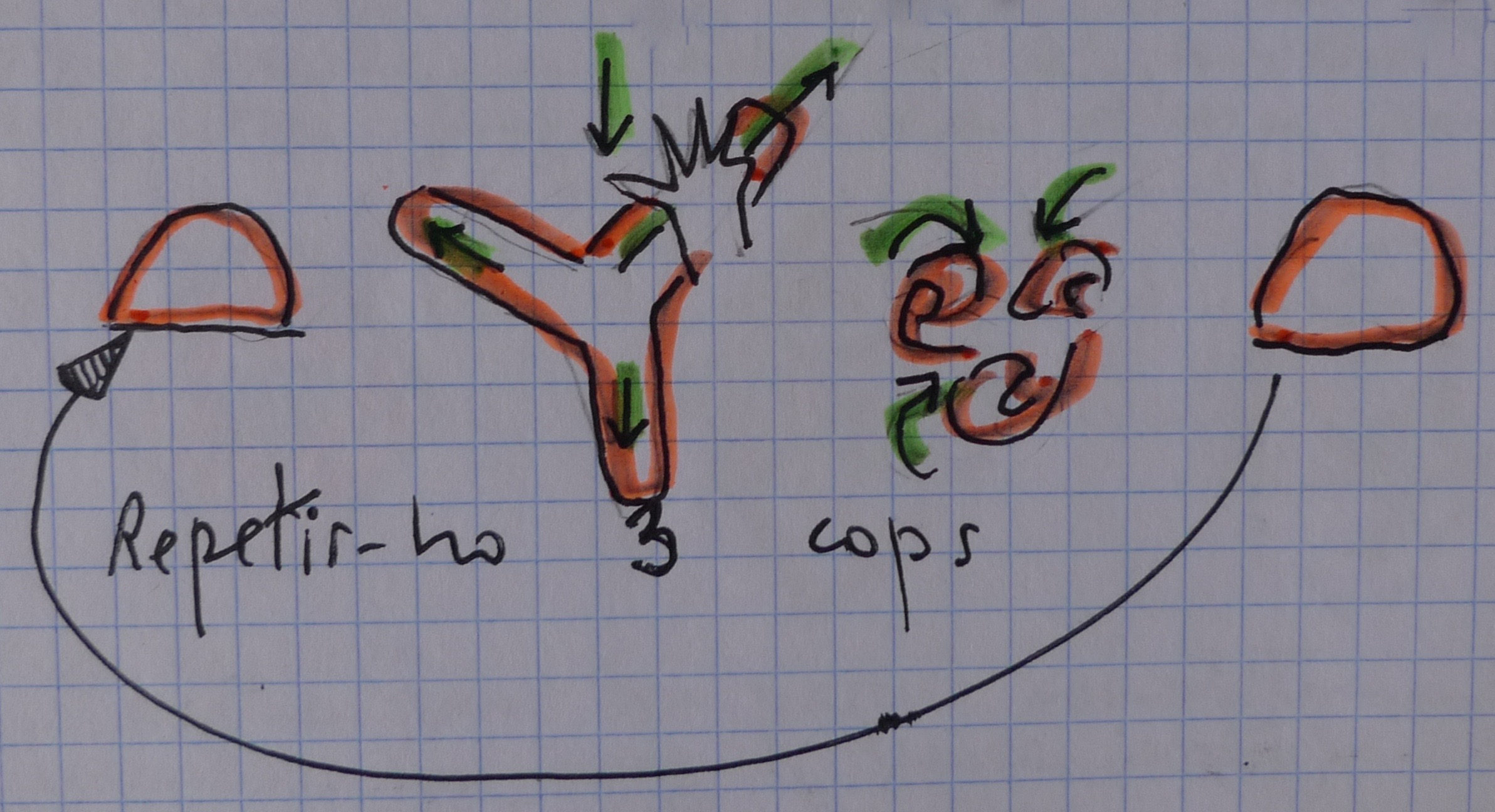
- Fraiser the dough. To do this, flatten and stretch the dough in three different directions. Fold each end over itself, without compacting, and stretch it again in three directions. Repeat the process once more.
- Once the pastry is made, form a ball with the dough without compacting it too much, just pressing gently. Lightly flour it, wrap it in plastic wrap, and let it rest in the refrigerator for about 2-3 hours to allow it to firm up.
- After the resting time, generously flour the working surface, as the dough tends to stick.
- Remove the dough from the refrigerator; it should be cold to prevent it from crumbling and breaking during rolling. Roll it out with a rolling pin until you obtain a disc slightly larger than the size of the mold.
Prepare the Caramel
- In a saucepan, place the sugar, the same amount of water as sugar, and a teaspoon of lemon juice. Heat it over medium heat, occasionally stirring, until the sugar completely dissolves and the liquid turns a light golden caramel color. This process can take between 10 and 15 minutes, but it is important to pay attention to avoid burning.
- Once the desired shade is achieved, carefully pour the caramel into the bottom of the mold, ensuring that it evenly covers the entire base. Set the mold aside at room temperature while it cools and slightly solidifies.
Cooking the Apple
- Peel the apples, cut them into 8 equal parts each, remove the core and seeds to avoid bitterness, and set the pieces aside.
- In a medium saucepan, bring 125 grams of sugar, 125 grams of water, and 125 grams of butter to a boil over high heat, ensuring the ingredients mix well.
- When the mixture starts to boil, immerse the apple pieces in the saucepan. Reduce the heat to medium and let cook for 10 minutes. It's important that the apple pieces remain fully submerged so that the tart is tender.
- After the 10 minutes of cooking, remove the apple pieces from the saucepan and let them drain in a fine strainer to remove excess liquid.
- Meanwhile, preheat the oven to 180ºC with heat on top and bottom, ensuring the oven reaches the correct temperature before using.
Prepare the Cake
- The tarte Tatin is assembled upside down in the mold. Once the caramel is at the bottom of the mold, place the sliced apple pieces in a fan-like pattern, covering the entire base of the mold directly over the caramel.
- Place a second layer of apple slices on top of the first, pressing gently to ensure the apples are well compacted.
- Drizzle a few drops of Calvados or lemon juice over the apples to add a touch of acidity and contrast.
- Roll out the dough base with a rolling pin and cut a disc slightly larger than the diameter of the mold, as the dough may shrink during baking.
- Using the rolling pin, place the dough over the apples, ensuring it covers the entire surface, and press gently to seal.
- Prick the surface of the dough with a fork to facilitate steam release during baking and prevent the dough from deforming.
- Bake at 180°C for 45 minutes, until the surface of the dough turns golden and crispy.
- Remove the cake from the oven and let it rest for 20 minutes in the mold before unmolding, allowing the apple to absorb most of the liquid caramel.
- Before flipping the cake, cover it with a plate and drain the excess caramel. You can use this caramel for other preparations if you wish.
- Unmold the cake directly onto the serving plate by carefully inverting the mold, and let it cool slightly before slicing.
- The cake will be more flavorful if you wait an hour before serving it, as it will have cooled but still be slightly warm.
Recommendations & Tricks
- Before starting, it is important to note that shortcrust pastry needs to be made with all ingredients well chilled. Therefore, it is advisable to store the flour and sugar in the refrigerator the night before, as well as to use the butter directly from the fridge without allowing it to warm up.
- A trick to achieve perfect shortcrust pastry is to prepare it the day before, let it rest in the refrigerator overnight, and use it the next day. This allows all the ingredients to integrate well, giving a finer texture.
- If you're looking to simplify the recipe, you can opt for store-bought shortcrust or puff pastry. This can save you time without compromising the final result of the tart.
- To properly work the pastry, it is important to have all the utensils, such as the rolling pin and molds, also chilled. This will prevent the dough from softening too quickly while you work with it.
- To ensure the tart has a well-cooked and even base, use an 18 cm diameter mold. This will help with more controlled baking, avoiding undercooked or overcooked areas.
- If you make the shortcrust pastry at home, remember that 130 grams of plain flour and 63 grams of butter are the ideal proportions for a crunchy and flavorful texture.